By Xuky · Published 3 September 2026
What Is a Padel Ball?
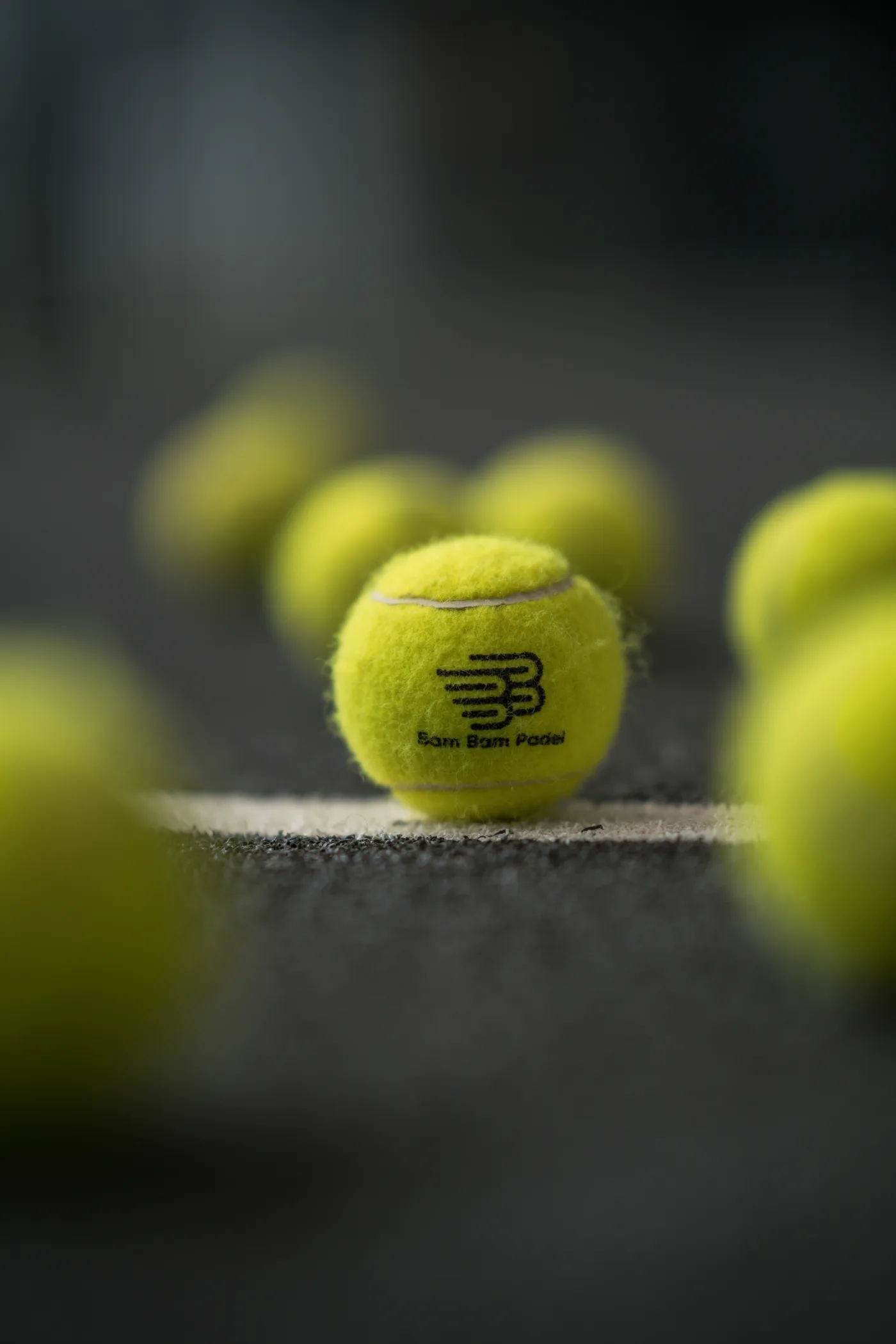
A padel ball is a smaller, lower-pressure cousin of a tennis ball, same rubber core and felt shell, tuned to bounce less so the glass walls that make padel what it is actually work. The International Padel Federation sets the numbers precisely: 6.35 to 6.77 cm across, 56.0 to 59.4 grams, and a bounce of 135 to 145 cm when it's dropped from 2.54 metres onto a hard court. Miss those and it isn't a padel ball, it's a tennis ball that wandered into the wrong bag.
The number that actually changes the game is pressure, 4.6 to 5.2 kilograms per 2.54 square centimetres, noticeably softer than a fresh tennis ball out of the tube. Take the bounce down, add four glass walls the ball is allowed to come off, and a rally that ends in three shots on a tennis court turns into fifteen on ours.
Rubber core, felt shell wrapped around it, same recipe tennis has used for a century (the fuzzy yellow ball predates the sport it usually gets mistaken for, not the other way round). Padel just turned the pressure down, shaved a few millimetres off the shell, and called it different kit.
Colour is the one rule nobody enforces once you're actually on court. White, yellow, or any colour that contrasts with the surface, per the FIP rulebook. In practice everyone buys yellow, because that's what's printed on the can.
Padel Ball vs Tennis Ball: What Actually Changes on Court
Drop a tennis ball from the same 2.54 metres and it comes back up higher, 135 to 147 cm depending on the ball, which sounds like a rounding error until you're the one standing at the back glass wondering why it just sailed over your head. The lower pressure in a padel ball is the entire reason the wall is usable at all.
Off a full-pressure tennis ball, our glass would fire the ball back at you like a squash court holding a grudge. Nothing physically stops you serving a rally with a tennis ball instead, the walls just won't behave, and neither will your opponent's patience once they work out why every rally is ending at the fence.
It's also why every new player's first instinct on the court is the same one: this looks exactly like a tennis ball from the car park. It is, until you actually hit it. The pressure is the whole difference, and it's the reason your smash feels controllable instead of terrifying.
Why Padel Balls Go Flat Faster in the Tropics
Heat pushes the pressure inside a padel ball up, not down, which is why a fresh ball feels livelier on a 32°C court than it would coming out of a cold storeroom in Europe. It also ages the rubber and the felt faster, so a can that lasts three weeks somewhere cooler can be spent in about one here.
In my experience a can holds up for about two to three games before you feel the drop, and the third is usually already noticeably softer. That's not a flaw in the ball, it's physics doing exactly what physics does at 30°C and near-total humidity, and it happens faster than most players expect. The fix isn't a better ball, it's topping the pressure back up more often than the label assumes, which is exactly what a pressuriser tube is built to do (more on that further down).
Altitude is the other variable the can never mentions. Above 800 metres, the FIP allows a livelier ball because thin mountain air kills the bounce. Ubud sits at a few hundred metres, nowhere near that line, so it's one less thing to think about here. Bring a can down from a highland club somewhere, though, and it'll misbehave just the same.
Three Balls to a Can, and How Many You'll Actually Get Through
Every brand sells padel balls the same way tennis does it, three to a can, sealed under pressure until you crack it open. One fresh can comfortably covers two to three games, so it's plenty for a casual evening between friends, and you don't need a fresh can for every match at a tournament either, just have a spare ready for once the bounce starts going soft.
Book the ball machine and balls are included, and one set easily lasts the whole session, no topping up needed partway through.
Should You Buy Your Own? Depends How Often You Play
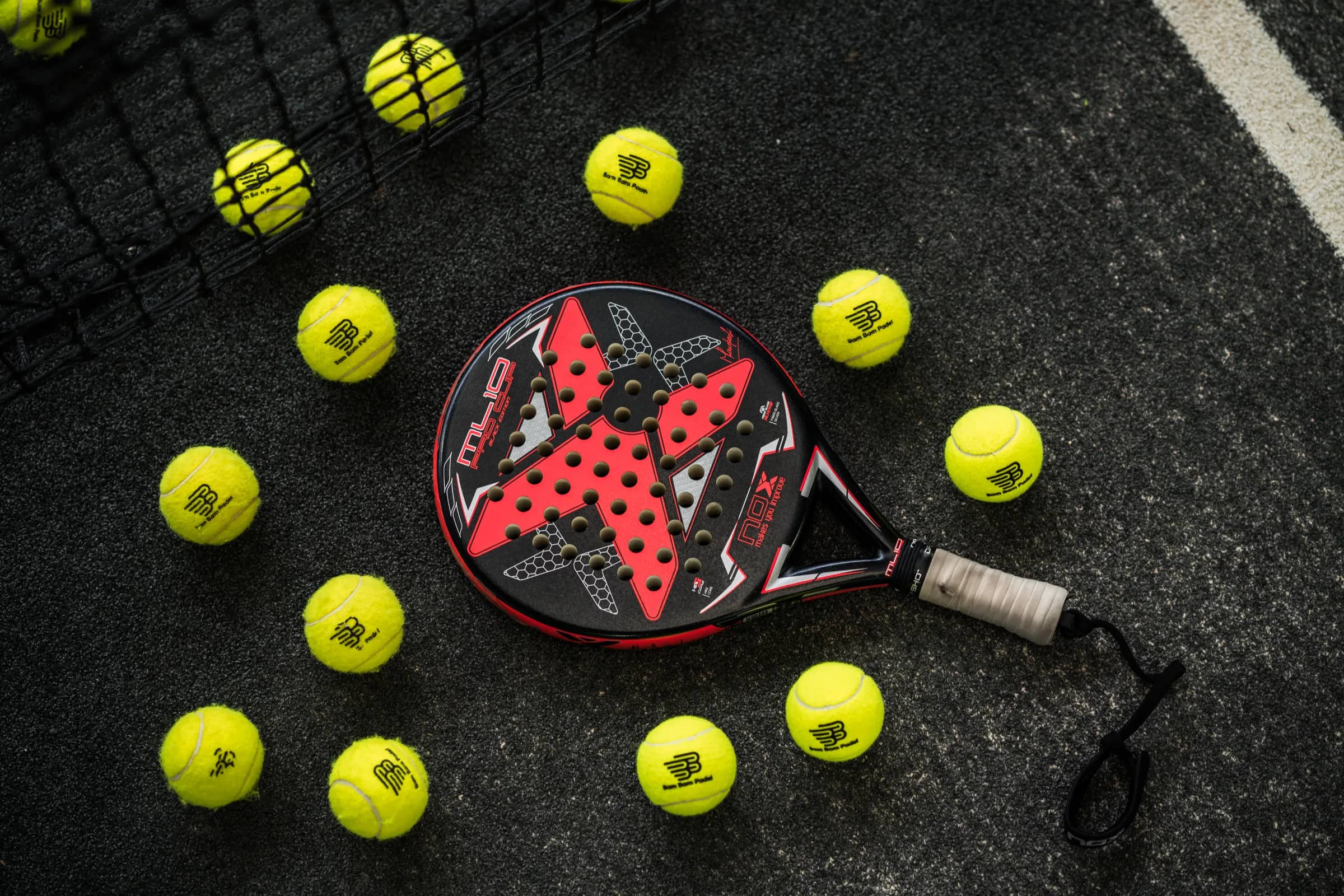
There's a genuine difference between balls, brand to brand and line to line, so let's not pretend otherwise. We sell two Dropshot lines in the pro-shop: the Tournament Tech, which most players prefer for feel, livelier and closer to what you'd want in a real match, and the Training Tech, which trades a touch of that feel for felt that holds up longer under heavy use. That's why the Training Tech is what runs through our ball machine and coaching sessions, and the Tournament Tech is what most members reach for on match day.
Whether renting or buying makes more sense comes down to how often you're on court, not brand loyalty. Buying the priciest option because a sponsored pro plays it won't fix your game either way, the same way an expensive racket doesn't fix a backhand that's late on contact. It's the padel version of buying Michael Scott's exact stapler and waiting for the promotion.
Renting suits a casual player best, or a group that wants the cost split evenly. Court hire here doesn't include balls, renting a set at the front desk is 50,000 IDR, no reservation needed. Split four ways between the group, that's 12,500 IDR each, and nobody has to be the person who remembers to buy a can, brings it, then chases three other people for their share afterwards. Every kids academy session comes with rackets and balls provided too, so nobody turns up empty-handed on their first day.
Play regularly, and buying is often the better call. You decide exactly when a can gets swapped for a fresh one instead of relying on whatever's behind the desk, and the pro-shop keeps both lines in stock right alongside the racket wall, the team will point you to whichever one suits what you're doing. Either way, an initiation class or a lesson still changes your result more than the can you're playing with.
If You Do Buy Your Own, a Pressuriser Tube Pays for Itself
Bought a can anyway. Fair enough, here's the one bit of kit actually worth owning: a ball pressuriser tube. It's a small sealed cylinder that holds two to four balls, and a hand or bike pump forces air back in around them, pushing them back up towards close to the pressure they had straight out of the can.
It's not a padel invention, tennis players have used the same trick for years, and the padel version works the same way. The tube is cheap, light enough to sit in a side pocket without you noticing it's there, and needs nothing but a pump and a couple of minutes before you head out. It won't make a genuinely dead ball new again, the felt that's worn through isn't coming back, but it buys a soft can several more sessions before you're back at the shop.
Worth it if you're buying your own regularly. Less worth it if you're renting here, since that's the exact problem we've already solved for you with the Pascalbox, just running at club scale instead of one tube in your bag.
What Happens to a Ball Once It Goes Flat
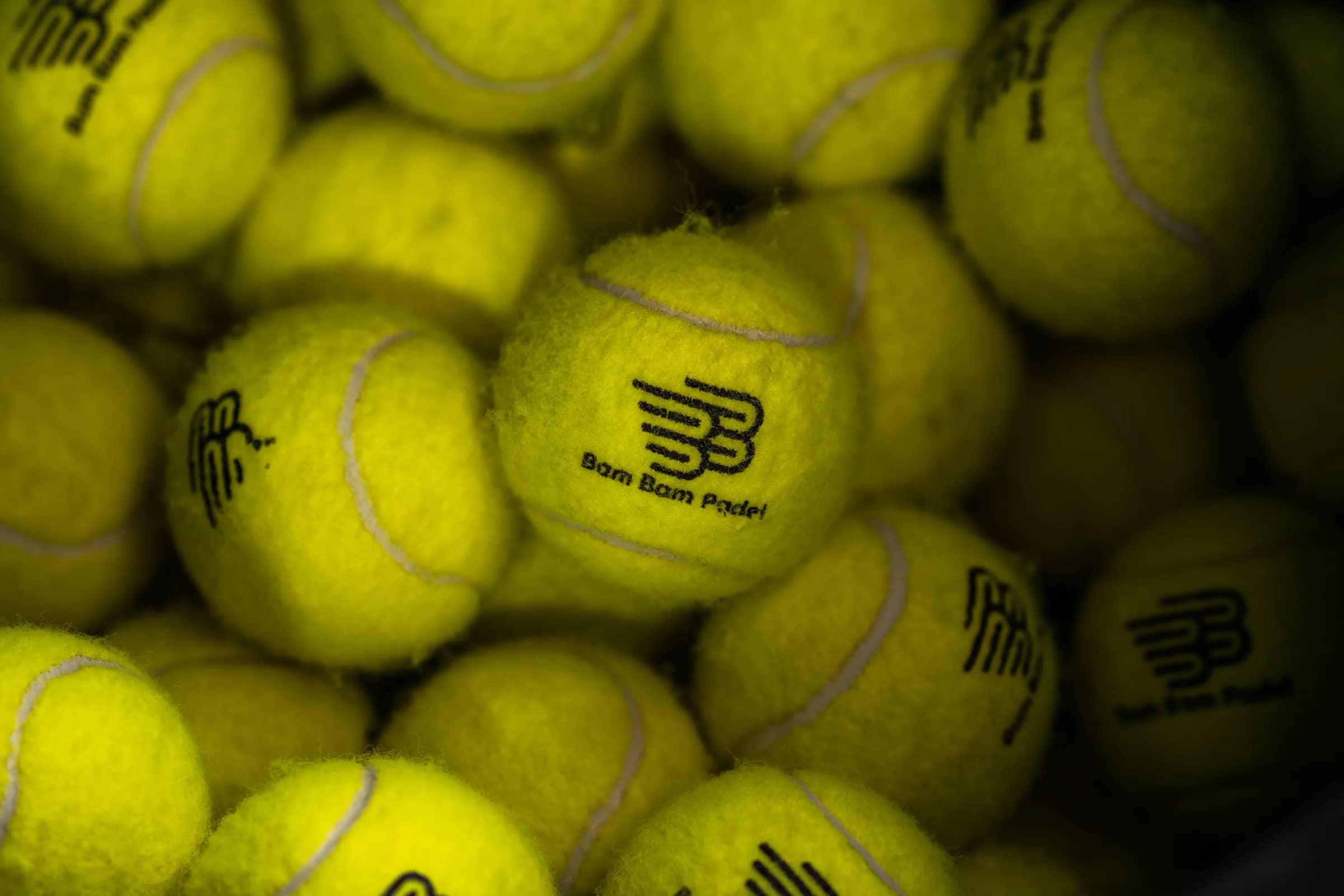
We don't bin a ball the moment it stops bouncing the way it should. The balls that live in our coaching sessions and the ball machine get run through the same trick, at scale: a Pascalbox pressuriser, which pumps a flat can back up to playable pressure instead of sending it straight to landfill. It's not a forever fix, the felt still wears out eventually, but it buys every ball a second and third working life before it's genuinely done.
Once a ball is actually finished, on court or in the pressuriser, we still don't throw it out. Old balls go to people who make art with them, to anyone who wants a bag for their dog, who will not once ask about the FIP pressure spec before chewing it to pieces, or into our own pile if nobody's claimed them yet. If you want a bag of retired balls for a project, a pet, or just to recycle properly, message us. We have more than we know what to do with.
Sources: Padel on Wikipedia, Rules of Padel, International Padel Federation (FIP)