By Xuky · Published 27 August 2026 · Updated 27 August 2026
Heat First, Then Cold. That Bit Is Not Up for Debate.
There are two kinds of people who walk into a recovery room. The ones who head for the sauna, and the ones who march at the ice barrel like it owes them money. Only one of those groups has read anything about this. It was not the second group. I know, because I was the second group.
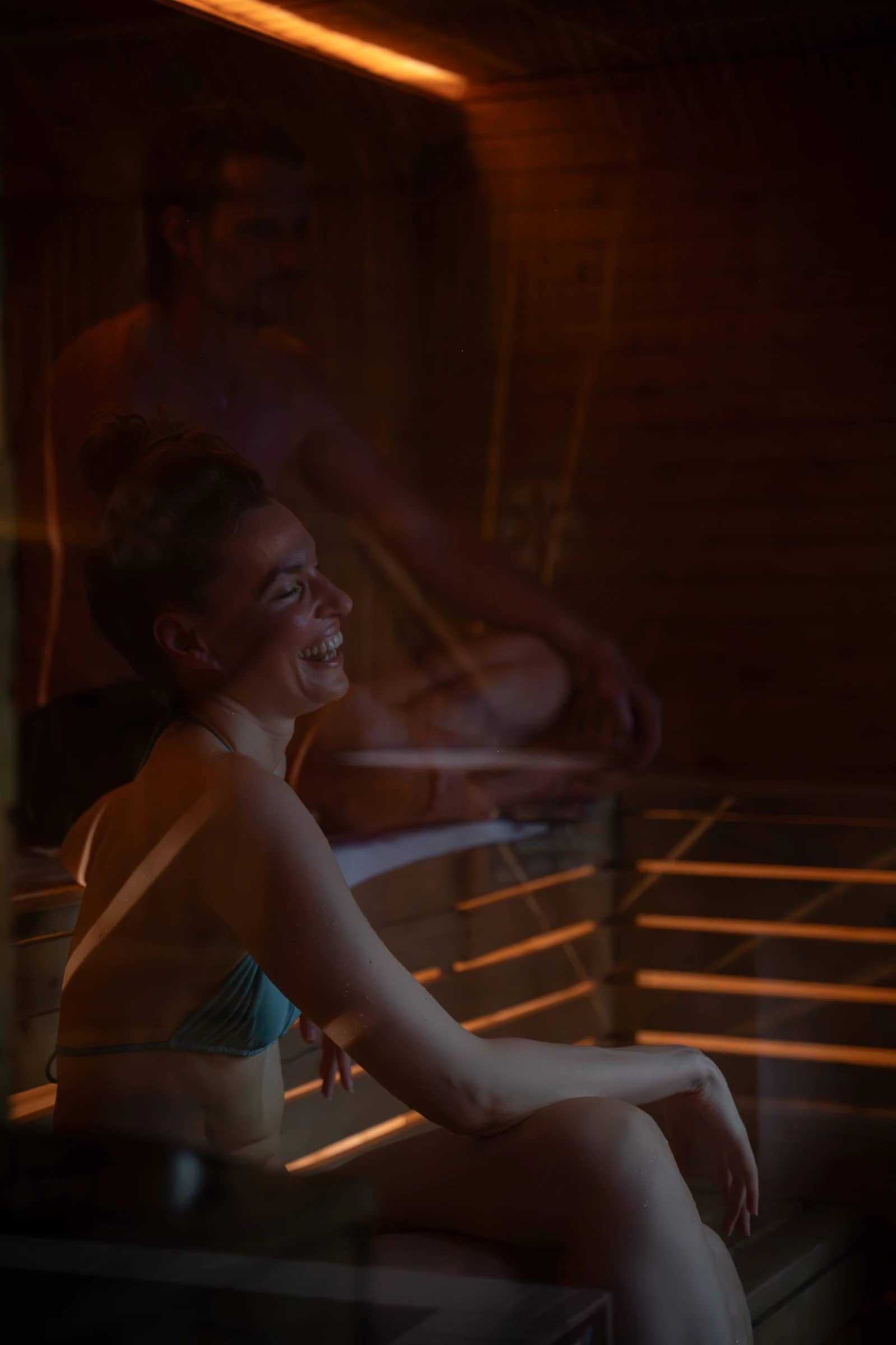
Sauna and cold plunge done together has a name, contrast therapy, and a fairly settled running order. Heat first. Ten to fifteen minutes in the sauna, one to two minutes in the cold, two or three minutes of rest, then repeat two or three times and finish on the cold side.
That is the whole answer. Everything below is why, and what changes if you are doing it in a country where the air outside is already trying to cook you.
The Swing Between Hot and Cold Is the Part That Works
Heat opens your blood vessels. Cold closes them. Doing one and then the other makes them open and close in turn, which moves blood around considerably more than sitting still does. That pump is the entire mechanism, and it is why the order matters: going cold first means you spend your sauna time undoing the cold rather than building the swing.
The evidence is decent without being miraculous. A Cochrane review of cold-water immersion found it reduces muscle soreness in the days after hard exercise compared with doing nothing, while being honest that the ideal temperature and duration are still unsettled. A meta-analysis of thirteen studies on contrast therapy found the alternating version beat passive rest for soreness.
On the heat side, a Mayo Clinic Proceedings review links regular sauna use to a long list of cardiovascular benefits. Note the word regular. One heroic session before a beach holiday is not what any of these studies measured.
The Numbers, Before You Start Improvising
Most people overcomplicate this and then do it wrong anyway. Here is the version that works for almost everyone.
- Sauna: 10 to 15 minutes. A traditional Finnish sauna sits somewhere around 80 to 95°C. Ours runs at 90°C. Leave when you are properly warm, not when you have won something.
- Shower: 30 seconds. Rinse off between the heat and the cold. Most bathhouses expect it, ours requires it, and the reasoning is not complicated: everybody is sharing that water.
- Cold: 1 to 2 minutes. Anywhere from 4 to 12°C does the job. Below about 10°C, ninety seconds is plenty.
- Rest: 2 to 3 minutes. Sit down, breathe normally, let your body warm itself back up. Skipping this is the most common mistake and it is the round that costs you the benefit.
- Rounds: 2 to 3. Finish cold. More rounds is not better, it is just longer.
- Frequency: 2 to 4 times a week. This is a habit, not an event.
No, It Is Not Going to Burn Fat
This is the question I get most, usually phrased as though the answer might have changed since last week. It has not. Sitting in a hot room and then a cold barrel is not a weight-loss strategy, and anyone telling you otherwise is about to show you a payment plan.
The claim comes from a real thing dressed up badly. Cold exposure does activate brown fat, which burns energy to keep you warm. The amount of energy involved is roughly a brisk walk. You will also step off the scales lighter straight after a sauna, because you have sweated out water, which comes straight back the moment you drink something. That is not fat loss, that is accounting.
The honest version: contrast therapy helps you feel better after hard exercise, which makes you more likely to do hard exercise again tomorrow. That second-order effect is real and worth having. It is also not what anyone means when they ask about burning fat.
Doing This in the Tropics Changes the Maths
Almost everything written about contrast therapy is written by people in cold countries, for people in cold countries. In Bali, you arrive at the sauna already warm and already halfway through a day of sweating, which changes two things.
First, hydration stops being a footnote. You are starting a sauna session at a fluid deficit most Finns never have to think about, so drink before, not just after. Second, the cold hits harder in the best way. Going from 90°C to 4°C when the outside air is 30°C and humid is a bigger swing than the same numbers in a Helsinki winter, and the mood lift afterwards is noticeably stronger.
The flip side is that the warm-down does not really happen. You step outside and it is still 30°C, so the cold finish lasts about four minutes before Bali resumes normal service. Nothing to fix there, just do not be surprised.
Three Things Almost Every First-Timer Gets Wrong
I have watched a lot of people meet an ice barrel for the first time. The mistakes are remarkably consistent.
They hold their breath. Cold water triggers a gasp reflex, and fighting it by locking up makes the whole thing worse. Breathe out slowly as you go in. Long exhale, no heroics. It sounds like nothing and it is most of the battle.
They are far too ambitious. Someone always announces they are going for five minutes. Five minutes at 4°C is not a target, it is a plan to be cold and miserable for four and a half minutes longer than necessary. Ninety seconds is a good session. Ten seconds on your first visit genuinely counts.
They skip the rest. Sauna, cold, sauna, cold, done in nine minutes, very efficient, no benefit. The rest between rounds is when your body does the warming that makes the next cold round mean anything. Sit down. Talk rubbish for three minutes. That is part of the protocol, not a break from it.
When to Skip It Entirely
Cold immersion is not for everyone and I would rather say so than sell it to you. If you are pregnant, have a heart condition, uncontrolled blood pressure or a history of fainting, talk to a doctor before you get anywhere near a cold plunge. If you have been drinking, skip it. That one is not medical advice so much as an observation about physics and dignity.
There is also a case for skipping it on purpose even if you are perfectly healthy. If you have just finished a heavy strength session and you are training specifically to build muscle, the research suggests cold immersion straight afterwards may blunt some of the adaptation you just earned. Leave it a few hours, or take the sauna and skip the barrel that day.
And if you are simply sore from a hard match, you do not need a protocol at all. You need water, food and a night's sleep. The spa is nicer than all three, but it is not a substitute for any of them.
How We Run It in Ubud
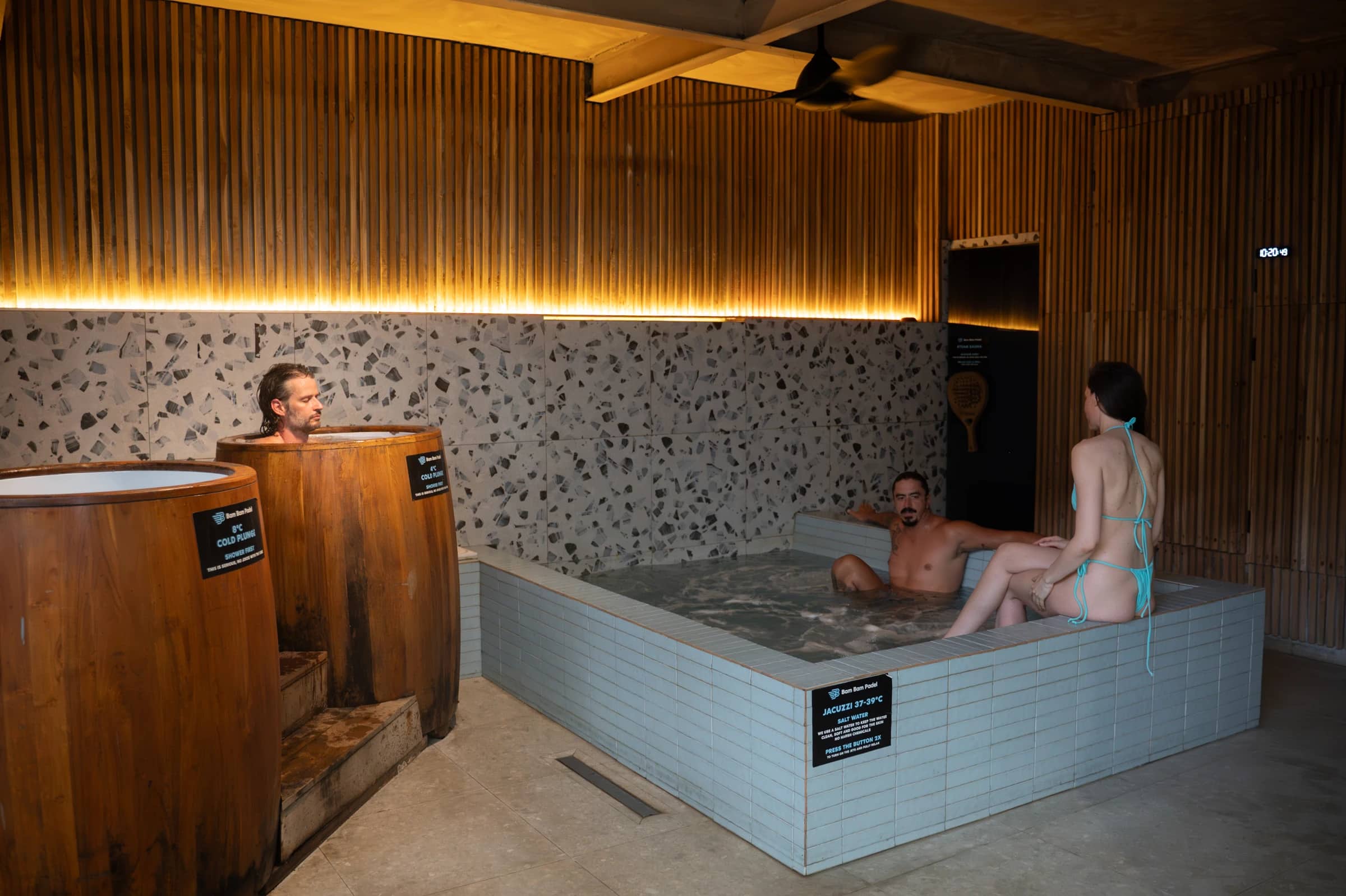
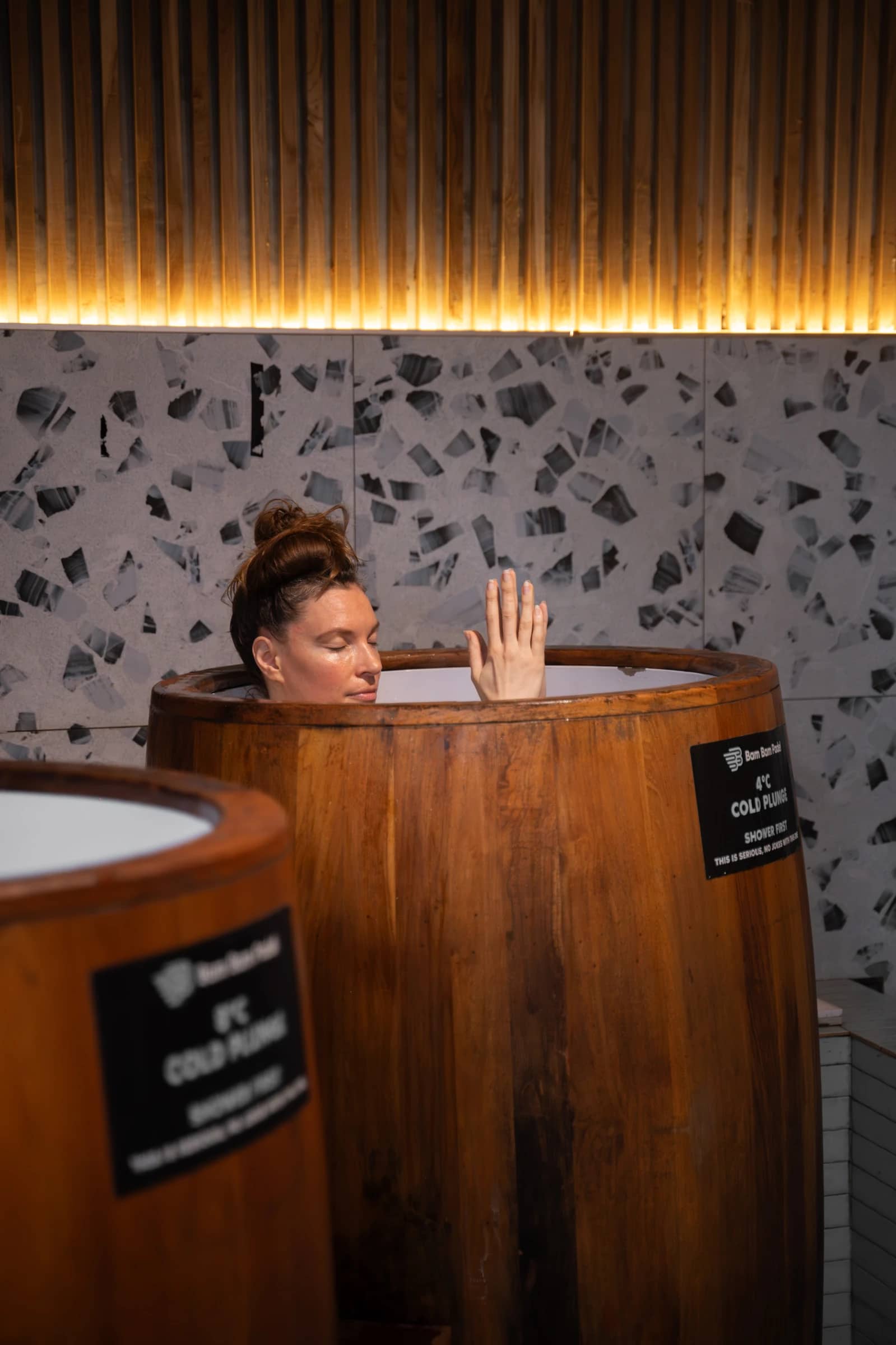
Our recovery spa has a 90°C Finnish sauna, a 45°C steam room at full humidity, an 8°C cold plunge, a 4°C ice barrel and a 39°C saltwater jacuzzi, which covers every temperature in this article and then some. The 8°C barrel is the sensible way in. The 4°C one is there for when you have decided you are that person now.
It is free with any court booking, and every rate is on one page if you want to check before you come. If your problem is a specific injury rather than general soreness, the on-site physiotherapy team is the better first call, and the spa is a good thing to do afterwards rather than instead.
Book a court, play badly, then go and argue with a barrel of ice about it. It will not fix your backhand. It will make tomorrow morning a lot more reasonable.
Sources: Cold-water immersion for muscle soreness, Cochrane review, Contrast water therapy meta-analysis, PLoS One, Sauna bathing and health, Mayo Clinic Proceedings